By Rami F. Community Manager, B2S · Updated on 09/07/2026 · Reading time: 7 min
💡 TL;DR : Most app ideas don't fail because of bad code. They fail because of decisions made (or skipped) before even the first line of code: no real validation, a native app built too early, an MVP tweaked beyond what is necessary, technical debt with no plan to get back to it, and no one responsible for the architecture once it moves. None of these points are code issues. These are sequencing issues, and they are avoidable.
The context: why this question comes up more and more
AI tools have made building an app faster and cheaper than ever. A solo founder today can go from idea to a working prototype in a matter of days, sometimes hours. It's really useful, and it's also a trap.
Speed of execution has ceased to be the bottleneck. What hasn't changed is the sequence that actually determines whether an app survives contact with real users: understanding who it's for, delivering something small enough to test quickly, and having someone responsible for technical decisions once traction begins. Skipping this sequence, and building quickly just means failing quickly, and expensively.
The problem of building before committing
Jumping straight into development without validating the idea first can go well, some founders are lucky. But this scheme has well-documented blind spots:
Lack of market need remains the #1 killer. Analysis of startup post-mortems by CB Insights systematically places "lack of market need" at the top of the causes of failure: around 42% in the original dataset, and 43% in their latest update, under the reformulated term of poor product-market fit. This is the biggest cause alone, ahead of the lack of cash flow.
Validation is information that we have Before to build, not after. By definition, “lack of market need” is a pre-construction failure that only becomes visible after the fact. The data needed to prevent it existed all along, it just wasn't collected.
Relatives and the warm network give false positives. Encouraging feedback from your own network is rarely a reliable signal that a stranger would pay for the product.
A native app too early locks in a cost and a deadline that you may not yet need. In 2026, a new app submission typically takes 2 to 5 days to pass App Store review, with peaks exceeding 7 days during peak periods, according to community tracking data compiled by AppStoreReview. Time that we don't get back if the functionality delivered turns out to be the wrong one.
None of this excludes building an app. That rules out building the wrong thing, quickly and confidently.
What a “validate first” approach actually brings
A faster, cheaper way to find out if you're wrong. Testing a concept via a landing page, a clickable prototype, or a lightweight web app costs a fraction of a native build and does not require app store validation to iterate.
Room to be a little embarrassed by your first version. An MVP that's slightly uncomfortable to show is often a sign that you've delivered early enough to still learn something. An over-polished MVP is often a sign of a budget spent before it is needed.
A plan for technical debt, not just the absence of it. Every startup takes shortcuts. The difference between a manageable shortcut and a costly shortcut is whether anyone planned to come back to it before it became structural.
Someone responsible for the architecture as you grow. Apps that pass the MVP threshold systematically have one thing in common: someone whose role is precisely the architecture and the roadmap, not just someone who knows how to code.
Build quickly and see vs. validate first: the comparison
Criteria | Build the native app first | “Validate first” approach |
|---|---|---|
Delay before the first real return | Weeks to months (build + app store review) | A few days |
App store review deadline | 2 to 5 days per submission in 2026, longer during peak periods | None until you're ready |
Cost if the idea has to pivot | High, native code difficult to undo | Low, prototype or web app easy to undo |
Risk of failure due to “absence of market need” | Total exposure, the #1 cause of startup failure | Highly reduced by construction |
Suitable for | An idea already validated, ready to scale | The majority of first projects and new ideas |
Bottom line: building fast is not the problem. Building the wrong thing quickly, and only finding out after the app store review and a real dev budget, it is.
Not sure if your idea needs a native app right away, or a faster way to test it first? Talk to our team → for a free 20-minute assessment.
How to sequence your construction: the criteria that count
Before committing to a full native build, check these points first:
Can you describe your top 10 users other than by demographic data? If not, you're building for a guess, not a market.
Have you tested core value with something cheaper than code? A landing page, a Figma prototype, or a manual “concierge” version of the service can validate the request before writing production code.
Do you have a plan for post-MVP, not just the launch? Optimization and iteration count as much as the initial construction, a project “delivered” and then abandoned rarely maintains its performance.
Is anyone responsible for architectural decisions, specifically? Not just someone who knows how to implement a feature, but someone responsible for how the pieces fit together as you add more.
Do you know what shortcuts you are taking, and why? Technical debt that you take on knowingly, with a plan to get back to it, is very different from technical debt that you didn't know you created.
Our experience at B2S
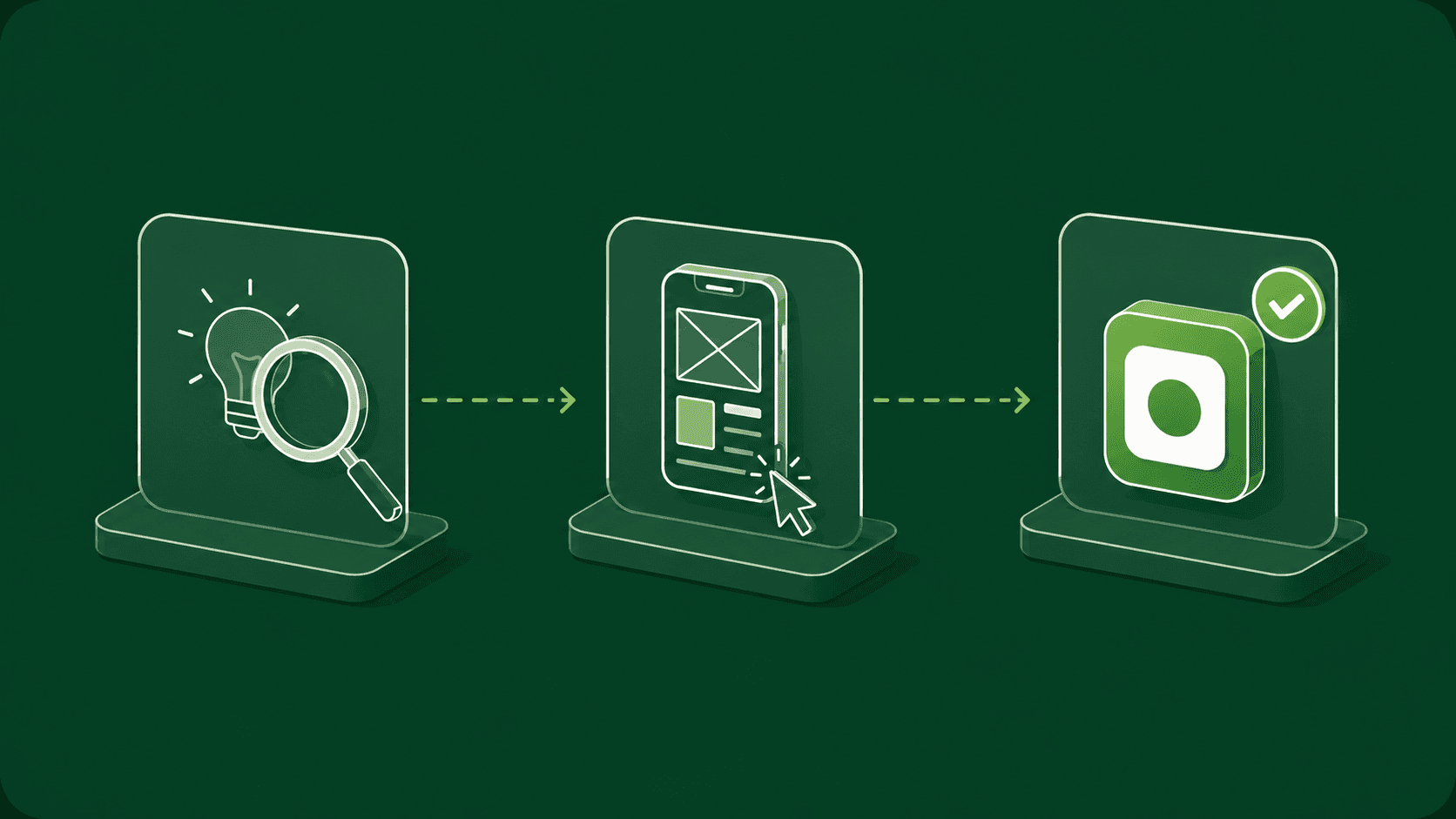
At be.to.solutions, we see ourselves as a co-pilot for ambitious projects, not just an execution service provider. Our process takes place in four stages: Digital Audit (a complete reading of the existing), Strategy & Roadmap (a prioritized action plan with concrete milestones), Management & Monitoring (operational support in execution), and Optimization & Evolution, once the project is delivered, we won't let you go. We measure performance, collect user feedback and iterate.
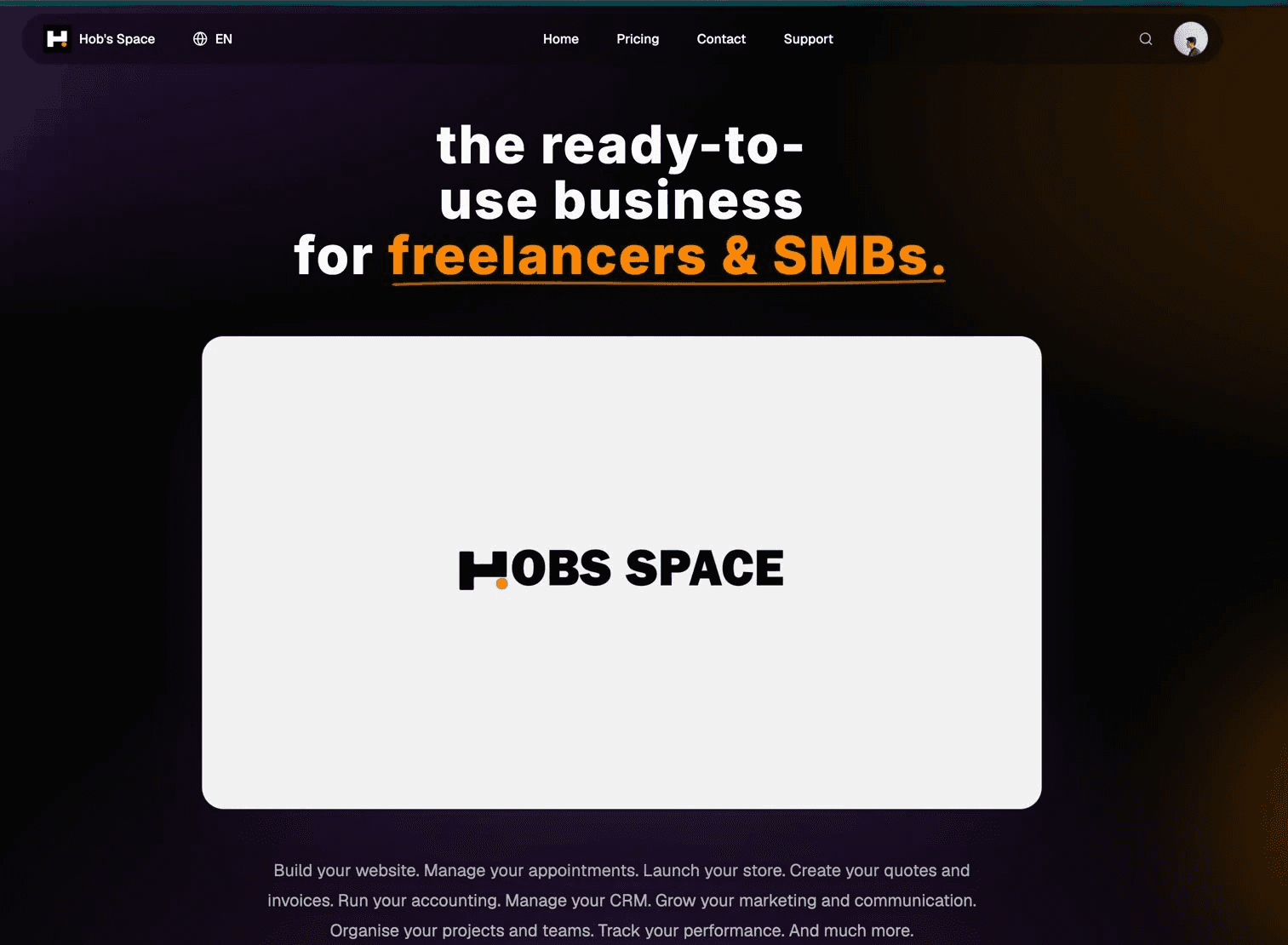
Hob's Space
Is a good example of this applied sequencing. The product brings together around ten very different modules (mini-site, store, CRM, invoicing, marketing, automation) under a single platform: exactly the type of project where "someone responsible for the architecture" in the sense of this article is not a luxury, but a condition for the survival of the product as it grows. Structuring the modules, onboarding and subscription logic from the start avoided the most common scenario: a solid foundation that becomes unmanageable as soon as you add the third or fourth feature.
On the projects we have supported (IS overhauls, product launches, automation, cloud migrations), the pattern is constant: ideas that struggle almost never fail on the quality of the code. They fail because no one has sequenced the decisions in the correct order before writing the first line.
Not sure if your app idea is ready to build, or needs validation first?
Discover our offer Digital Expert for end-to-end support, from audit to execution.
FAQ
Should you build a native app or a web app first?
For most unvalidated ideas, a web app or prototype is quicker to test and less expensive to modify. Native makes more sense once the idea works and you need platform-specific performance or distribution.
How long does the app store review actually take?
In 2026, a new app submission typically passes review in 2-5 days, with peaks exceeding a week during peak periods. Updates to existing apps are generally much faster.
How much technical debt is acceptable for an MVP?
Debt taken on consciously, with a plan to return to it once traction is gained, is normal and healthy. The risk is not the debt itself, it is the debt that no one has monitored or anticipated.
Do I need a technical co-founder to build an app properly?
Not always. What is needed is someone responsible for architectural and roadmap decisions over time, it could be a co-founder, or an on-demand model like the Digital Expert service.
When to stop validating and start building for real?
When you can describe your early adopters accurately, have tested the core value with something cheaper than code, and have a plan for post-launch, not just the launch itself.
Sources
CB Insights, The Top 12 Reasons Startups Fail : the absence of market need / poor product-market fit as the primary cause of startup failure, around 42-43% according to the original dataset and its update: cbinsights.com
AppStoreReview, App Store Review Queue Delays in 2026 : review times for new app submissions in 2026, generally 2 to 5 days with peaks exceeding 7 days during peak periods: appstorereview.app/guides/app-store-review-queue-delays-2026